

The Real Cost of Running a Small Food Business in Indonesia

08 May 2026
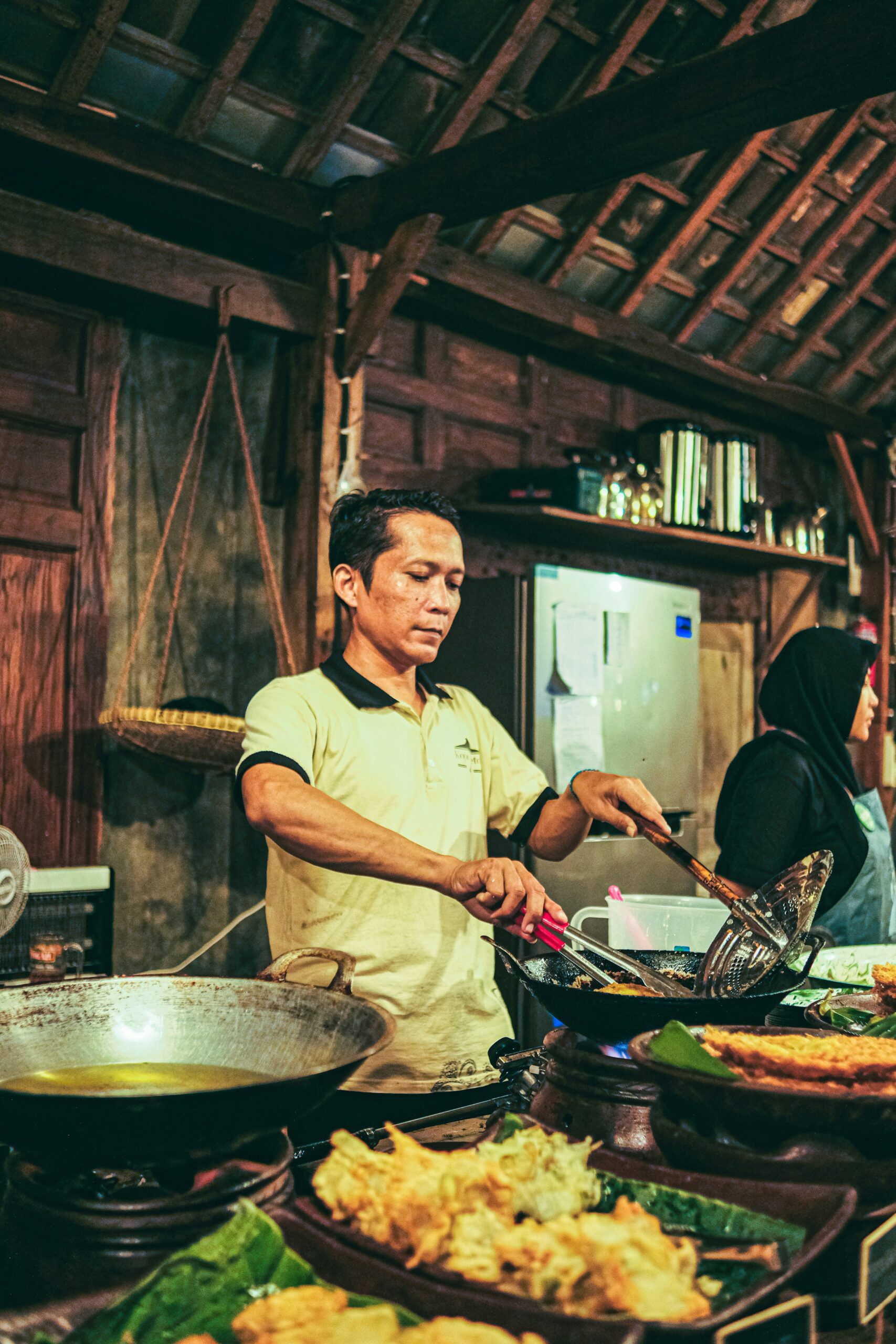
Food May Sell Fast, But Profit Does Not Come Automatically
For many Indonesian migrant workers, starting a food business back home feels like a smart dream.
Food is familiar. Food has regular demand. Food can start small. And from the outside, it often looks like one of the safest businesses to run. A small warung, catering service, snack stall, or home-based food business may seem simple compared to other types of businesses.
But this is where many people get caught off guard.
A food business can look busy and still lose money.
Why? Because the real cost of running the business is often much bigger than the cost of ingredients alone. There are rent payments, gas, packaging, workers’ wages, delivery fees, electricity, wastage, equipment replacement, and cash flow gaps that many new business owners do not calculate properly.
For migrant workers who want to use overseas income to build a business in Indonesia, understanding these costs is not just useful. It is essential. A business becomes stronger when the numbers are clear before the money is spent.
1. Startup Cost Is Only the Beginning
Many people think the main challenge is opening the business.
In reality, opening is only the first step.
Startup costs may include:
- renovation or small shop setup
- tables, chairs, shelves, stoves, cookware, or freezers
- initial food stock
- packaging materials
- permits or local administration
- branding and signage
- delivery equipment or transport support
A simple food stall may not need a huge investment, but even a small setup can quickly use more money than expected. The mistake many new owners make is spending everything on opening day and leaving no reserve for the first few months.
That is dangerous because a business rarely becomes stable immediately. Sales may be slow at first. Equipment may need repairs. Supplies may change in price. Customers may take time to build.
A smart business owner plans not only for launch, but also for survival.
2. Monthly Operating Costs Can Quietly Eat Your Profit
This is where many food businesses struggle.
Even after the shop opens, money continues to flow out every day.
Common monthly running costs include:
Fixed costs
These are the expenses that usually come regularly, such as:
- rent
- employee wages
- electricity
- water
- internet
- equipment maintenance
Variable costs
These change depending on sales, such as:
- ingredients
- packaging
- fuel
- delivery fees
- transportation
- spoilage or waste
The biggest mistake is thinking:
“Sales are good, so profit must be good too.”
That is not always true.
A business can sell many meals and still struggle if the costs are too high or the pricing is too low. If a meal is priced too cheaply, the business may be busy all day and still have very little left at the end of the month.
That is why every food business owner should understand one simple rule:
Sales are not profit. Profit is what remains after all real costs are paid.
3. Hidden Costs Are Often the Real Problem
Hidden costs are the expenses many people forget during planning.
These may include:
- broken equipment
- spoiled ingredients
- extra transport
- customer complaints or refunds
- promo discounts
- packaging waste
- sudden increases in ingredient prices
- extra labor during busy periods
For example, a seller may prepare ten portions of food but only sell seven. The remaining food may need to be discarded, discounted, or carried into the next day. That is not just lost food. It is lost money.
Another hidden cost is time. A family member helping with the business may not charge a salary, but their time still has value. If the business depends on free labor forever, that may work temporarily, but it is not a strong long-term model.
A good business plan includes hidden costs from the beginning, so the owner is not shocked later.
4. Pricing Must Be Based on Real Cost, Not Hope
Many small food businesses underprice their products.
They think:
“If the price is too high, customers will leave.”
So they lower the price until the business barely survives.
That is a risky habit.
Pricing should be based on:
- ingredient cost
- packaging cost
- labor cost
- overhead cost
- waste
- profit margin
If the selling price does not cover all of these, the business may grow in customer count but shrink in actual income.
That is why it is important to know your numbers.
A simple pricing check can be helpful:
- How much does one portion cost to make?
- How much do I spend on packaging and delivery?
- What is my monthly overhead?
- How much profit do I want per sale?
If these questions are not answered, the business may be working hard without building real financial strength.
5. Cash Flow Matters More Than Many New Owners Realize
Cash flow means the timing of money coming in and going out.
A business can be profitable on paper but still run into trouble if cash arrives too late.
For example:
- suppliers want payment now
- employees need wages this week
- utilities must be paid
- customers pay later
- stock needs to be restocked immediately
This is why many small food businesses fail even when demand looks good.
If the business owner does not have enough working capital, they may start borrowing just to keep daily operations going. That creates pressure and can weaken the business even more.
This is where financial discipline becomes important.
The owner should always ask:
- Do I have enough money to keep the business running for the next 1–3 months?
- Can I buy ingredients again without touching personal emergency savings?
- Do I have a backup plan if sales are slow?
A strong business is not only one that sells. It is one that can keep operating.
6. When Borrowing Makes Sense for a Food Business
Borrowing is not always bad.
In fact, for some migrant workers, borrowing can be a smart way to support a well-planned business.
The key word is planned.
Borrowing may make sense for:
- buying essential equipment
- increasing stock for a proven product
- opening a second outlet
- improving delivery capacity
- covering short-term working capital needs
Borrowing does not make sense if:
- the business idea has not been tested
- the owner has no pricing plan
- the repayments are too heavy
- the money will be used for unclear expenses
- the business depends on hope instead of numbers
A loan should help a business grow. It should not be used to cover a weak idea without a strategy.
For migrant workers who need support to start or strengthen a food business, a trusted lending service like EzyCash can be part of a more structured plan, especially when the financing is used for clear business purposes and manageable repayment.
7. What Indonesian Migrant Workers Should Ask Before Starting
Before putting overseas savings into a food business, ask these questions:
- What food am I selling?
- Who are my customers?
- Why would they buy from me?
- What are my startup costs?
- What are my monthly operating costs?
- How long can I survive before profit becomes stable?
- How much working capital do I need?
- Do I need financing, and can I repay it safely?
These questions may sound basic, but they protect savings from being spent too quickly.
Many migrant workers work hard for years to build capital. That money deserves a careful plan.
Conclusion: A Food Business Can Build a Future, If the Numbers Are Clear
A small food business can be a very good path for Indonesian migrant workers returning home or planning their future from overseas. Food is familiar, practical, and often easier to start than many other businesses.
But success does not come from selling food alone.
It comes from understanding:
- startup costs
- monthly operating expenses
- hidden costs
- pricing
- cash flow
- and the right time to borrow
When the numbers are clear, the business becomes stronger. When the numbers are ignored, even a busy business can become a financial problem.
The goal is not just to open a food business.
The goal is to build a business that can last.