

How Indonesian Migrant Workers Can Build an Emergency Fund Before Trouble Starts

27 Jun 2026
Introduction
Working overseas can help Indonesian migrant workers earn better income and support their families back home. But life abroad is not always smooth. Salary can be late, health problems can happen, family needs may appear suddenly, and unexpected costs can come at the worst time.
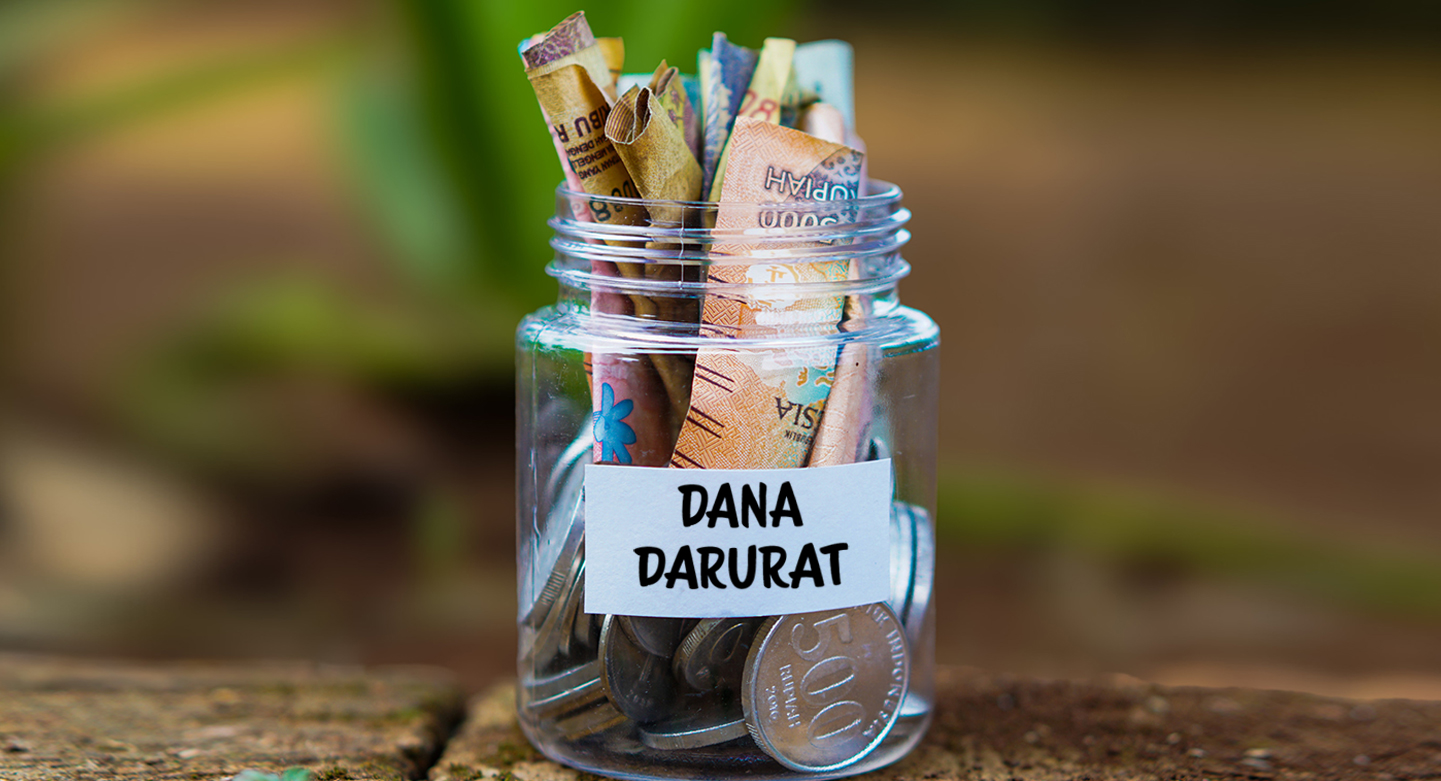
That is why an emergency fund matters so much. It is the money you keep aside for problems that you cannot predict. It is not for shopping, gifts, or daily spending. It is the money that helps you stay calm when something goes wrong.
For migrant workers, an emergency fund is one of the simplest ways to protect your salary, your family, and your future.
Why Emergency Money Is Important
Many workers think they can wait until they have “extra” money before saving. The problem is that extra money often disappears quickly. A small expense at work, a family request from home, or a late salary can use up your cash before you realize it.
Without emergency savings, people may be forced to borrow quickly. That can create more stress, especially if the loan is expensive or the repayment is hard to manage. A small emergency fund gives you more control and helps you avoid panic decisions.
It also protects your family. If you can handle a small problem yourself, you do not need to send less money home or ask for help from others.
How to Start Saving
You do not need to save a large amount at once. What matters most is starting early and saving regularly.
A simple way is to set aside a small part of every salary before you spend it. Even a little can grow over time. The important part is to treat emergency savings as something separate from your normal spending money.
One good habit is to save first and spend later. If you wait until the end of the month, there may be nothing left. But if you save first, you are already protecting yourself before other expenses appear.

What the Emergency Fund Is For
Emergency money should only be used for real unexpected problems. For example:
- salary delays
- medical expenses
- urgent family needs
- sudden travel problems
- work-related issues
- temporary income gaps
These are the kinds of situations that can happen without warning. When they do, your emergency fund can help you avoid stress and borrowing in a rush.
What It Should Not Be Used For
It is easy to take money from your emergency fund when you want to buy something small or help with a non-urgent expense. But that weakens the purpose of the fund.
Try not to use it for:
- shopping
- gadgets
- gifts
- eating out
- planned purchases
- things that can wait
If the expense is not urgent, it should not come from emergency savings.
A Simple Way to Build It
If saving feels difficult, keep it simple. You can start with a small target.
For example, you can aim to save:
- a little from every salary
- one fixed amount each month
- one part of any extra income
You can also divide your money into three basic parts:
- Living money for daily expenses
- Family money for remittance
- Emergency money for problems
This makes it easier to stay organized. When money has a clear purpose, it is less likely to disappear.
What If the Emergency Is Bigger Than Your Savings?
There may be times when your savings are not enough. If that happens, do not rush into borrowing without thinking.
First, ask yourself:
- Is this really an emergency?
- Can I use my savings first?
- How much money do I actually need?
- Can I repay any loan comfortably?
- Is the lender legal and clear about the terms?
If you still need extra help, choose a financial service that is transparent and easy to understand. For workers who need additional support for a genuine need, EzyCash can be explored as one possible option, as long as the repayment fits your budget and the terms are clear.
Borrowing should be used carefully. It should help solve a real problem, not create a bigger one.
Conclusion
An emergency fund is one of the most practical money habits for Indonesian migrant workers. It helps when salary is late, when health problems appear, and when family or work problems happen unexpectedly.
The size of the fund does not matter as much as the habit of building it. Even a small amount saved regularly can make a big difference when life becomes difficult.
If you work overseas, start now. Keep a little money aside every time you get paid. Save it separately. Use it only for real emergencies. That simple habit can protect your peace of mind and help you stay financially strong.