

Top 5 Essential Skills Indonesian Migrant Workers Need for Overseas Jobs

23 Aug 2026
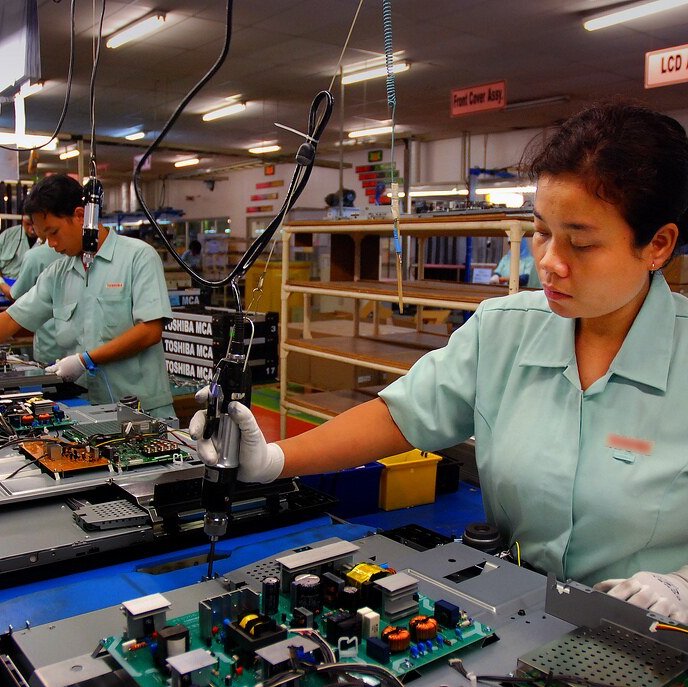
Getting the Job Is Only the First Step
Overseas jobs can change a worker’s life, but getting hired is only the beginning.
Today’s employers are not only looking for people who can physically do the work. They are also looking for workers who can adapt, communicate well, follow instructions, use digital tools, and stay reliable under pressure. The World Economic Forum’s Future of Jobs Report 2025 says analytical thinking remains the most essential core skill, while resilience, flexibility, agility, AI and big data, and leadership are becoming increasingly important.
For Indonesian migrant workers, this matters even more because the job is rarely just about the job itself. You may need to understand workplace instructions in another language, use digital systems, communicate with supervisors, send money home safely, and manage your own finances while living far from home. ILO has also noted that digital technology is increasingly used across labour migration services, and digital literacy helps migrant workers access important services more safely.
That is why preparing for an overseas job should go beyond documents and placement. The workers who succeed long term are often the ones who build the right skills before they leave.
Here are the top 5 essential skills Indonesian migrant workers need for overseas jobs.

1. Communication Skills
Communication is one of the most important skills for any overseas worker.
You do not need perfect English, Japanese, Arabic, or Mandarin from day one. But you do need the ability to understand basic instructions, ask questions when something is unclear, and communicate respectfully with supervisors, coworkers, customers, or employers.
Why it matters:
- reduces mistakes at work
- helps you follow safety instructions
- makes it easier to adapt to a new environment
- improves your chances of being trusted with more responsibility
What to practice:
- common greetings
- workplace questions
- polite responses
- asking for clarification
- reporting problems clearly
Simple habit:
- practice short daily sentences in the language used at your workplace
- listen to workplace-related vocabulary
- write down useful phrases for your job role
A worker who can communicate clearly is often seen as more dependable, even if their technical skill is still improving.
2. Digital and Technology Skills
Digital skill is no longer optional in many jobs.
Even outside office roles, workers may need to use messaging apps, digital attendance systems, online schedules, QR payments, digital banking, or employer portals. ILO has pointed out that digital tools are increasingly part of migration services and that digital literacy helps workers access important services such as banking and other online support systems.
Why it matters:
- helps you complete basic work tasks faster
- makes communication easier
- supports safer access to services
- reduces confusion with digital forms, payments, and messages
What to practice:
- using WhatsApp professionally
- checking official websites carefully
- understanding basic online forms
- using Google Maps, email, and file uploads
- spotting suspicious links or fake messages
Simple habit:
- learn one useful digital skill every week
- keep your phone organized with folders for work, documents, and finances
Digital literacy is especially important for migrant workers because it supports both work and daily life abroad.

3. Adaptability and Problem-Solving
Overseas work is rarely identical to what you expect before departure.
A worker may face a different boss, different food, different weather, different rules, different schedules, or different workplace culture. The WEF’s 2025 report highlights resilience, flexibility and agility as core skills that employers increasingly value.
Why it matters:
- helps you adjust to new workplaces faster
- reduces stress when plans change
- makes you better at handling pressure
- shows employers that you can work through challenges
What to practice:
- staying calm when instructions change
- asking “what should I do next?” instead of panicking
- solving small problems before they become bigger ones
- learning from mistakes instead of hiding them
Simple habit:
- when a problem happens, write down: what happened, what caused it, what I can do next time
Employers value workers who do not give up easily. In many overseas jobs, being dependable during change is just as important as being fast.
4. Work Discipline and Professional Attitude
Many Indonesian workers already have strong discipline, but it must be carried into the overseas workplace in a visible way.
Work discipline means arriving on time, following schedules, respecting the chain of command, keeping your area clean, staying focused, and finishing tasks properly. It also means knowing when to speak and when to listen.
Why it matters:
- builds trust with supervisors
- reduces workplace conflict
- improves job stability
- increases the chance of renewal or promotion
What to practice:
- punctuality
- consistency
- attention to detail
- respectful behavior
- responsibility for mistakes
Simple habit:
- treat every shift as if someone is evaluating your reliability, because in many places, they are
A professional attitude can sometimes matter more than talent. Workers who are reliable are often remembered more positively than workers who are simply good but inconsistent.

5. Financial Literacy and Money Management
This skill is often overlooked, but for migrant workers it is one of the most important.
When you work abroad, your salary may support family expenses in Indonesia, school fees, debt repayments, remittances, emergency costs, and long-term goals. Because of that, financial discipline is not just personal finance. It is part of your work success.
Indonesia has made migrant-worker financial literacy an active priority. In 2025, OJK, Bank Indonesia, and KP2MI launched a financial literacy guide for Indonesian migrant workers and their families, and KP2MI continued this work with smart-budgeting efforts in 2026.
Why it matters:
- helps you avoid debt traps
- protects remittance money
- reduces family financial stress
- keeps you from spending your salary too quickly
- helps you prepare for life after returning home
What to practice:
- build a monthly budget
- separate living money from savings
- track remittances
- compare loan terms before borrowing
- keep an emergency fund
Simple habit:
- after every payday, divide your salary into clear categories before spending anything
If you can manage your money well, you protect the result of your hard work. That is especially important for Indonesian migrant workers, because the purpose of overseas work is often not just earning, but building a stronger future for the family.
A Simple Skill Checklist Before You Apply Overseas
Before you take an overseas job, check whether you are ready in these five areas:
- Can I communicate clearly at work?
- Can I use basic digital tools confidently?
- Can I adapt when things change?
- Can I work with discipline and professionalism?
- Can I manage my money responsibly?
If the answer is “not yet” for one or more items, that does not mean you are unprepared forever. It means those are the skills to strengthen before departure.
The Best Overseas Workers Prepare in More Than One Way
An overseas job is not just about leaving Indonesia. It is about entering a new environment with the right habits, the right attitude, and the right skills.
For Indonesian migrant workers, the most valuable skills are not always the most technical ones. The workers who succeed long term are often the ones who can communicate, adapt, work responsibly, use digital tools, and manage money wisely. Those five skills support not only job performance, but also safety, savings, and future planning.
If you are preparing for work abroad, start with one skill this week. Improve one English phrase, one digital habit, one budgeting practice, or one workplace behavior. Small improvements now can make a major difference later.